
Alopecia is simply the medical word for hair loss. It describes a symptom, and several very different conditions sit beneath it. Some are temporary. Some are lifelong. Some begin in the immune system, others in the follicle itself, and others in the way the hair has been worn.
Knowing which type you have matters for two reasons. It tells your dermatologist how to treat it, and it tells me which kind of hair will serve you best while you do. This guide covers the four types I see most often.
Androgenetic alopecia: the gradual pattern
Androgenetic alopecia, called female pattern hair loss in women, is the most common cause of hair loss in women, according to the American Academy of Dermatology. Follicles gradually produce finer, shorter hairs, and the part grows wider while the crown loses density. The front hairline usually stays in place.
It is also progressive. A 2018 review in the International Journal of Women’s Dermatology reports that 25 percent of women show clinically detectable thinning by age 49, and 41 percent by age 69.
What tends to suit it. Because the thinning gathers at the top of the head, a hair topper is very often the answer in the early and middle stages. When thinning becomes more widespread, a wig offers complete coverage. Our guide to choosing between a topper and a wig explains the decision in detail.
Alopecia areata: the immune system and the follicle
Alopecia areata is an autoimmune condition. The National Institutes of Health describes it as a disease that occurs when the immune system attacks hair follicles and causes hair loss. It most often appears as one or more smooth, coin-sized patches on the scalp. In its more extensive forms, alopecia totalis and alopecia universalis, a person loses all or nearly all of the hair on the scalp or the body.
It is more common than most people realize. The National Alopecia Areata Foundation estimates that about 2 percent of people worldwide will experience it at some point in their lives. It can begin at any age, and its course is unpredictable: hair regrows fully for some people and only partly for others.
What tends to suit it. The right piece depends on where the patches are and how much hair surrounds them. A small patch near the crown may be covered well by a topper. Patches that move, multiply, or reach the hairline usually call for a wig, which gives you the same result every day whatever your own hair is doing. For extensive loss, a wig built to a mold of your head offers the closest and most secure fit.
Telogen effluvium: shedding after a shock
Telogen effluvium is the medical term for excessive shedding. The American Academy of Dermatology notes that losing between 50 and 100 hairs a day is normal, and that far heavier shedding often follows a major stress to the body. Common triggers include childbirth, a high fever or serious illness, an operation, significant weight loss, and periods of great emotional strain.
The encouraging part is that this type is usually temporary. According to the Academy, hair tends to regain its normal fullness within six to nine months once the cause has passed.
What tends to suit it. Because the hair is expected to return, many women want something for the months in between. A topper or extensions can restore density while your own hair recovers, and the choice depends on how much fullness you would like to add and how your hair is behaving at the time.
Traction alopecia: hair under tension
Traction alopecia is caused by hairstyles that pull on the hair over a long period. The American Academy of Dermatology lists tight braids, tightly pulled buns and ponytails, and extensions or weaves applied with too much tension among the causes. Early signs include broken hairs around the forehead and a hairline that begins to recede.
Timing matters a great deal here. Caught early, the hair can recover once the tension is removed. If the pulling continues for years, the Academy cautions that the loss can become permanent.
What tends to suit it. The first step is always to take the tension away. After that, the goal is coverage that asks as little as possible of the hair that is recovering. This is also why the method used to apply extensions deserves real care, and why I match the method to the client’s hair before anything is installed.
Why a diagnosis comes first
These four types can look alike in the mirror, and they call for very different responses. A dermatologist can tell them apart, sometimes with a simple examination and sometimes with blood work or a closer look at the scalp. The American Academy of Dermatology notes that treatment works best when it begins early.
Seeing a dermatologist and being fitted for hair are compatible steps. Many of the women I work with are doing both at once.
What I can do, whatever the type
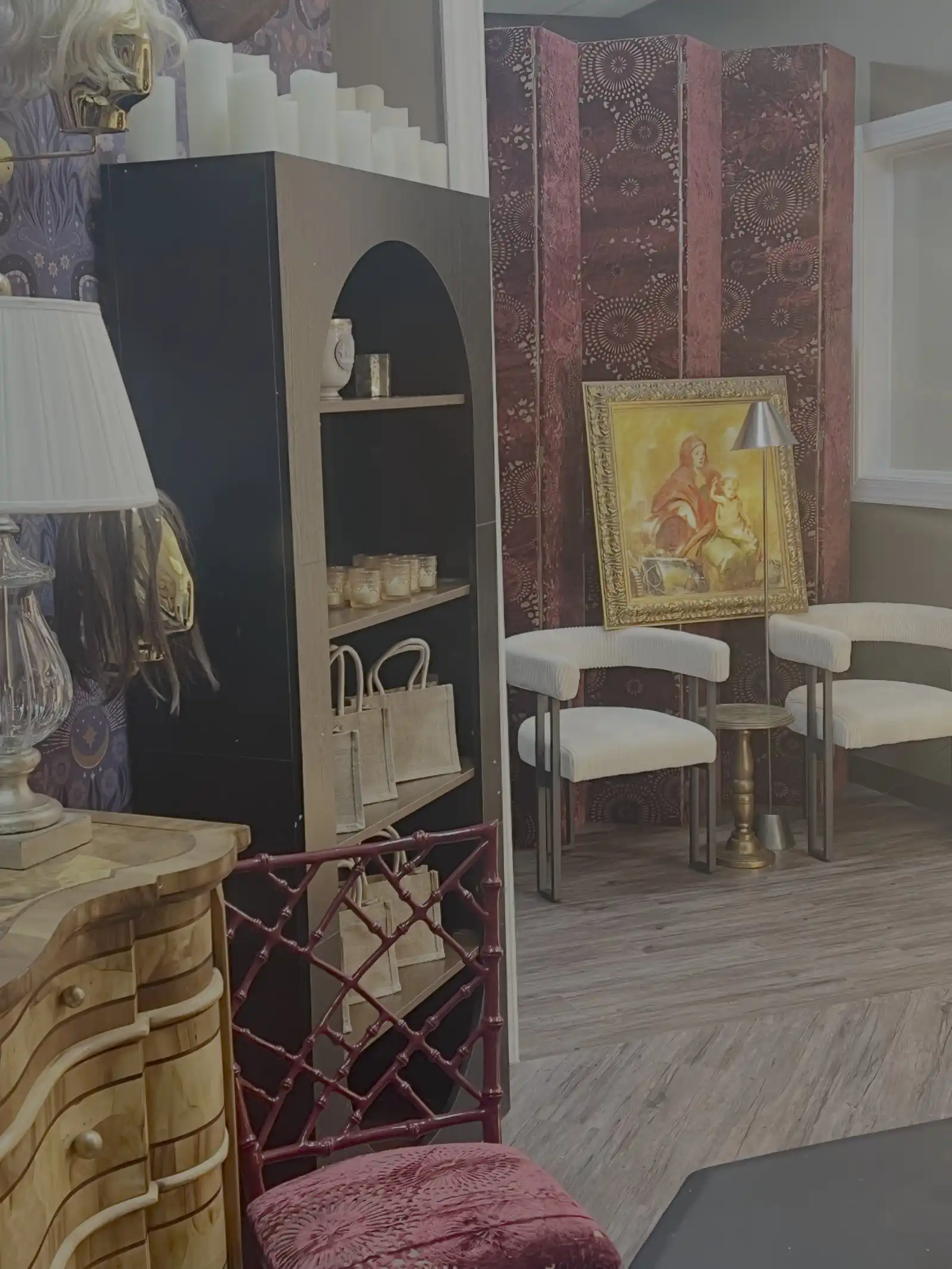
You do not need a diagnosis to book a consultation, and you do not need to explain your hair loss to anyone. At The Alternative Salon in Vestavia Hills, near Birmingham, every appointment takes place in a private room with no one else present. You will see and handle real pieces, and you will leave with a clear sense of which direction suits your hair as it is today.
The consultation fee is $100.