
Some of the women who come to me for hair loss have spent years keeping one fact to themselves: the hair loss is from pulling. They have arranged their part to hide it, avoided windy days and swimming pools, and put off haircuts to avoid an explanation. When they finally say it aloud in my chair, the relief is often visible.
If that describes you, you are in good company, and your hair loss deserves the same care as any other. This guide explains what trichotillomania is, how it is treated, and how a wig or topper can help.
What is trichotillomania?
Trichotillomania is a condition in which a person repeatedly pulls out their own hair, resulting in hair loss. The TLC Foundation for Body-Focused Repetitive Behaviors classifies it as a body-focused repetitive behavior, or BFRB, a group of self-grooming behaviors that also includes skin picking. In psychiatric diagnosis, it is classified among the obsessive-compulsive and related disorders.
Pulling can affect the scalp, the eyebrows, the eyelashes, or any area that grows hair. On the scalp, MedlinePlus, a service of the National Institutes of Health, describes the loss as appearing in round patches or across the scalp.
As the Cleveland Clinic puts it, managing this condition “isn’t about willpower or ‘just stopping.’” It is a recognized condition with established treatment.
How common is it?
It is more common than most people realize. A 2020 study of more than 10,000 adults in the United States, published in Psychiatry Research, found that 1.7 percent met the criteria for current trichotillomania. That is close to two in every hundred adults. The same study found similar rates in men and women, although most of the people who seek help for it are women.
It usually begins young. The TLC Foundation notes that pulling typically starts in late childhood or early puberty, and MedlinePlus reports that it most often begins between the ages of 11 and 13. Many of the adults I meet have lived with it quietly for decades.
How is trichotillomania treated?
Treatment belongs with a qualified clinician. The TLC Foundation describes cognitive behavioral therapy as the treatment of choice for BFRBs, and a review in Expert Review of Neurotherapeutics identifies cognitive behavioral therapy with habit reversal training as the first-line option. Habit reversal teaches a person to notice the urge and respond to it differently.
If you are looking for help, the TLC Foundation keeps a searchable directory of providers, including clinicians who have completed its training in BFRBs. The listings are self-submitted, so it is worth asking any provider about their experience with hair pulling.
Will my hair grow back?
Often it can, though it takes patience. The review in Expert Review of Neurotherapeutics notes that regrowth may not be evident until some months after pulling has stopped. The TLC Foundation adds that returning hair may grow unevenly, with different textures, and that some areas may take longer than others.
The Cleveland Clinic cautions that repeated pulling over a long period can cause scarring or permanent hair loss. That is one more reason to begin treatment early, and to give recovering hair as gentle an environment as possible.
How a wig or topper can help
A wig or topper is a cosmetic choice that sits alongside treatment. It restores the appearance of your hair while you work with your clinician, and it relieves you of the daily effort of concealment, which can be considerable on its own.
When the loss is concentrated. Pulling often focuses on one or two areas, such as the crown or the part. A hair topper covers that area and blends into the hair around it, matched to your color, density, and texture. Our guide to choosing between a topper and a wig explains how the base size is chosen.
When the loss is widespread. A wig offers complete coverage and gives you the same result every day, whatever your own hair is doing underneath. For the closest fit, a wig can be built to a mold of your head.
When your hair is recovering. Your needs will change as hair returns. A wig may give way to a topper, and a topper to your own hair. Each piece should suit your current stage, with attention to how it attaches, so that it does not add strain to hair that is growing back. Our guide to the types of alopecia explains why tension on recovering hair matters.
Hair pulling also affects the eyebrows and eyelashes for many people. My work focuses on the scalp, and a dermatologist can advise on options for brows and lashes.
A private room, and no explanation required
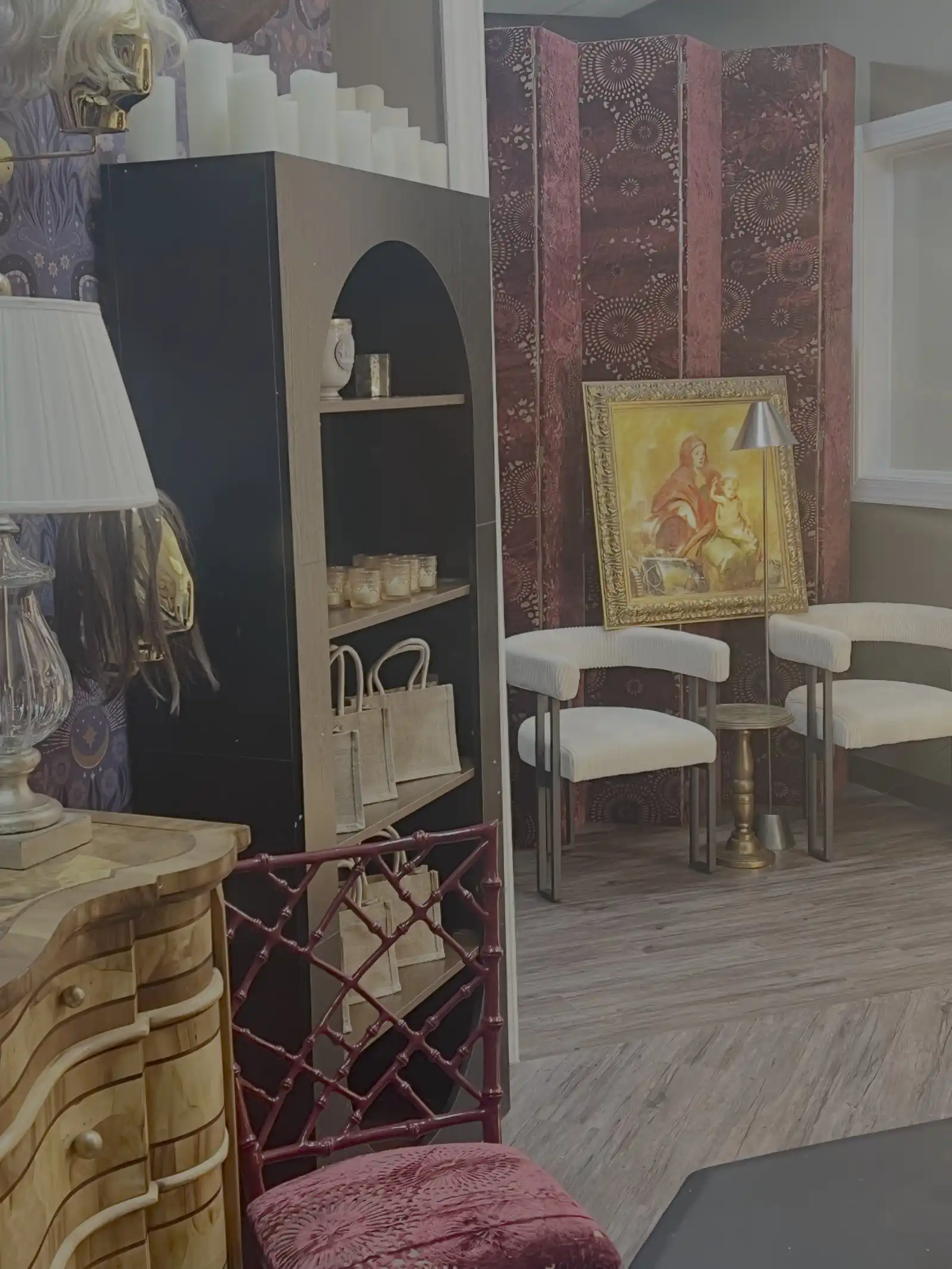
At The Alternative Salon in Vestavia Hills, near Birmingham, every appointment takes place in a private room with no one else present. You do not need to explain the cause of your hair loss to book, and if you choose to tell me, it stays between us. You will see and handle real pieces, and you will leave with a clear sense of which direction suits your hair today.
The consultation fee is $100.